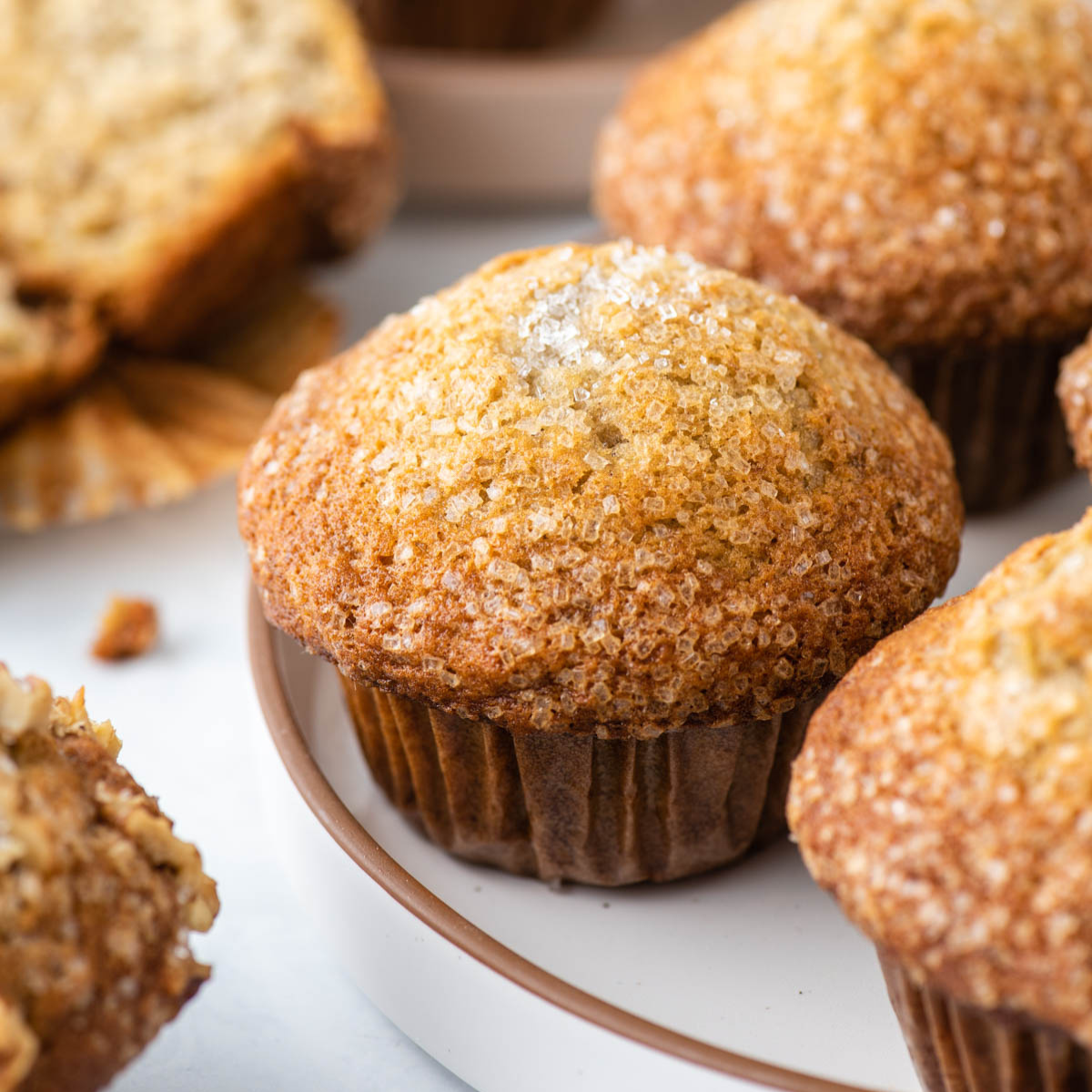
Bakery-Style Gluten-Free Banana Muffins: Your Guide to Perfect Texture
There's nothing quite like a warm, tender banana muffin, fresh from the oven, with its delightful aroma filling the kitchen. For those navigating the world of gluten-free baking, achieving that coveted bakery-style texture – soft, fluffy, and never dry or dense – can sometimes feel like a culinary quest. Many gluten-free recipes fall short, resulting in crumbly, gritty, or even gummy baked goods. But what if we told you that perfect gluten free banana muffins are not only possible but easily achievable with the right insights and techniques? This comprehensive guide will unlock the secrets to creating moist, flavorful, and perfectly textured gluten-free banana muffins that will have everyone asking for your recipe.
The Gluten-Free Conundrum: Why Texture Matters So Much
The absence of gluten, the protein network that gives traditional baked goods their structure and elasticity, presents a unique challenge in baking. Without gluten, batters can struggle to hold onto air bubbles, leading to a dense crumb. They can also absorb moisture differently, resulting in a dry or gummy mouthfeel. Common complaints about gluten-free muffins include:
- Dry and Crumbly: A common issue when moisture balance is off or flour blends lack sufficient binding agents.
- Dense and Heavy: Often due to insufficient leavening or an unoptimized flour blend.
- Gummy or Gritty: Can result from underbaked goods, improper flour hydration, or certain starches in the blend.
Our goal is to transcend these common pitfalls, creating gluten free banana muffins that are light, airy, and incredibly satisfying. The key lies in understanding the precise role each ingredient plays and mastering specific techniques designed to enhance gluten-free textures. For a deeper dive into avoiding that sticky texture, check out our guide on Master Fluffy Gluten-Free Banana Muffins: No More Gummy Texture.
The Science of Softness: Key Ingredients for Perfect Gluten Free Banana Muffins
Every ingredient in a successful gluten-free muffin recipe contributes to its final texture, flavor, and structure. Sourcing the right components and understanding their function is crucial.
- Gluten-Free Flour Blend: This is arguably the most critical component. Opt for an all-purpose gluten-free flour blend with a base of finely ground rice flour, often combined with starches like tapioca or potato, and other flours like sorghum or millet. These finely milled flours provide structure without the grittiness that coarser blends can impart.
- Xanthan Gum: A vital addition to most gluten-free baking. If your chosen flour blend doesn't already contain it, add 1 teaspoon per cup of flour. Xanthan gum acts as a binder, mimicking gluten's elasticity and preventing your muffins from becoming crumbly. If using specific blends like Bob's Red Mill 1-to-1, you might need a bit more (e.g., 1/2 teaspoon extra) to ensure adequate structure. Weighing your flour blend for accuracy is always recommended over cup measurements for consistent results.
- Cornstarch: Often added to GF blends or as a standalone ingredient, cornstarch increases the overall starch content, leading to an extra tender and delicate crumb. It helps achieve that desirable "melt-in-your-mouth" quality.
- Baking Powder & Baking Soda: These leavening agents work in tandem to create lift and airiness. Baking soda reacts with acidic ingredients (like buttermilk or ripe bananas) to produce carbon dioxide, while baking powder provides a secondary rise. Together, they ensure your muffins brown beautifully and rise high without becoming dense.
- Salt: More than just a flavor enhancer, salt balances the sweetness of the bananas and sugar, bringing out deeper caramel notes and preventing the muffins from tasting one-dimensional.
- Granulated Sugar: Beyond sweetness, sugar contributes significantly to the muffins' texture. It helps to tenderize the crumb, retain moisture, and contributes to that desirable soft mouthfeel.
- Eggs: Eggs are multifunctional in baking. They provide structure and help the muffins rise by trapping air. As the muffins cool, eggs help maintain that delicate structure, preventing collapse.
- Mashed Bananas: The star of the show! For optimal flavor, sweetness, and moisture, use very ripe bananas – those with plenty of brown spots on their skin. Less ripe bananas contain more starch, less sugar, and less moisture, meaning they won't break down as fully during baking and will result in a drier, less flavorful muffin. The natural sugars in ripe bananas also contribute to a subtle caramelization. If your bananas aren't quite ripe enough, a quick microwave session (30-60 seconds) can help soften them, though the flavor won't be as intense.
- Buttermilk: A secret weapon for tender muffins. Its acidity reacts with the baking soda for a better rise, and it also contributes moisture and a delicate tang. The lactic acid in buttermilk helps to break down proteins, resulting in a wonderfully tender crumb. If you don't have buttermilk, you can easily make a substitute by adding 1 tablespoon of lemon juice or white vinegar to regular milk and letting it sit for 5-10 minutes.
- Melted Butter: Contributes a rich flavor and a specific texture. Unlike oil, butter solidifies slightly as it cools, giving muffins a pleasingly tender yet slightly denser bite that differentiates them from cake-like cupcakes. This richness is key to a true "bakery-style" experience. For those seeking an ultra-fluffy and moist texture, swapping melted butter for a neutral oil (like canola or vegetable) can achieve a lighter crumb, as oil remains liquid at room temperature, keeping muffins incredibly soft.
- Vanilla Extract: A crucial supporting player, vanilla extract rounds out the intense banana flavor, adding warmth and depth that elevate the overall taste profile.
Mastering the Method: Step-by-Step for Bakery-Style Results
Achieving perfect gluten free banana muffins isn't just about the ingredients; it's also about the technique. Many gluten-free recipes benefit from a streamlined, one-bowl approach, making them quick and easy enough for even the busiest mornings. In fact, you can have a batch ready in about 30 minutes – for more quick recipes, see Easy One-Bowl Gluten-Free Banana Muffins: Ready in 30 Minutes.
- Mix the Dry Ingredients First: In a large bowl, whisk together your gluten-free flour blend, xanthan gum (if needed), cornstarch, baking powder, baking soda, salt, and granulated sugar. Thoroughly whisking dry ingredients ensures even distribution of leavening agents and xanthan gum. This method, contrary to creaming butter and sugar, contributes to a pleasantly dense crumb characteristic of a traditional muffin, rather than a lighter, cake-like texture.
- Create a Well, Add Wet Ingredients: Form a well in the center of your dry ingredients. Pour in the melted butter, eggs, buttermilk, and vanilla extract. Mix until just fully combined. Don't worry about overmixing as there's no gluten to overdevelop and make tough muffins. This mixing helps activate the xanthan gum, allowing it to start forming its structure to support the muffins during baking.
- Fold in the Mashed Bananas: Gently fold in your mashed, ripe bananas. Avoid overmixing here, as breaking down the bananas too much can lead to a less interesting texture. If your bananas were not quite ripe enough, ensure they are thoroughly mashed to a smooth consistency so they fully dissolve into the batter during baking. The batter will be thick and slightly lumpy – this is exactly what you want.
- Portion and Rest: Divide the batter evenly among your lined muffin cups, filling each approximately three-quarters full. For an extra boost in texture, and to combat any potential gumminess, let the batter rest at room temperature for 10-15 minutes before baking. This crucial step allows the gluten-free flours to fully hydrate and the starches to swell, resulting in a significantly more tender and less gummy muffin. It gives the xanthan gum time to work its magic, too.
- Bake for Perfection: Preheat your oven to the recommended temperature (often 400°F/200°C for an initial burst, then reduced to 375°F/190°C for the remainder of baking, to achieve a beautiful domed top and even baking). Bake until golden brown and a toothpick inserted into the center comes out clean.
Beyond the Basics: Pro Tips for Next-Level Flavor and Moistness
- Embrace the Brown Spots: We can't stress this enough – the riper the bananas, the better the muffins. Look for skins that are generously speckled with brown, or even mostly brown. These bananas are sweeter, more aromatic, and significantly moister.
- Don't Overbake: Overbaking is a common culprit for dry muffins, especially in gluten-free recipes. Start checking for doneness a few minutes before the recipe suggests. Muffins are done when the tops are golden, spring back when lightly touched, and a toothpick inserted into the center comes out clean or with moist crumbs (not wet batter).
- Add-Ins Galore: Elevate your muffins with delicious additions. Chocolate chips (dark, milk, or white), chopped nuts (walnuts, pecans), shredded coconut, or a cinnamon-sugar streusel topping can transform your basic banana muffin into an extraordinary treat.
- Storage for Freshness: Store your cooled gluten-free banana muffins in an airtight container at room temperature for 2-3 days, or in the refrigerator for up to a week. For longer storage, freeze them for up to 3 months. Thaw at room temperature or gently warm in the microwave for a fresh-baked feel.
- Troubleshooting Common Issues:
- Dryness: Ensure you're using very ripe bananas, accurately measuring flour (preferably by weight), and not overbaking.
- Gumminess: Make sure your flour blend has enough starch, incorporate the batter resting step, and avoid underbaking.
- Crumbly: Check your xanthan gum addition and ensure your gluten-free flour blend is well-balanced.
Conclusion
Achieving perfect bakery-style gluten free banana muffins with an irresistibly soft and tender texture is absolutely within reach. By understanding the unique properties of gluten-free ingredients, embracing the magic of very ripe bananas, and employing thoughtful techniques like the crucial batter rest, you can consistently bake muffins that defy typical gluten-free expectations. So go ahead, gather your ingredients, follow these tips, and prepare to delight in a batch of homemade gluten-free banana muffins that are truly second to none. Happy baking!
